
High-Functioning Alcoholism and the Dangers of Denial
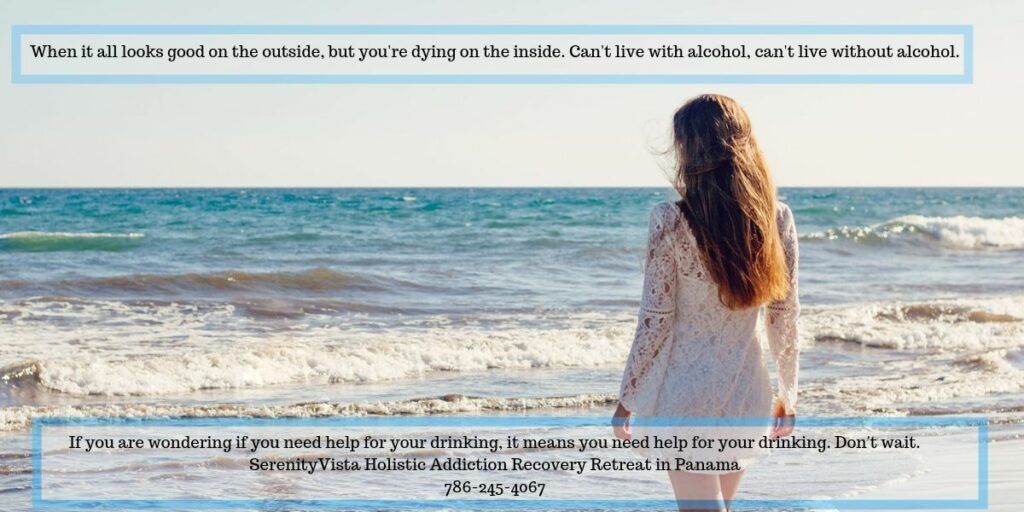
High-functioning alcoholism can be difficult to recognize because much of a person’s life may continue to appear successful from the outside. Work, family, finances, and relationships may remain intact even as drinking becomes increasingly important and harder to control.
That outward appearance can also make denial easier. When there is no obvious crisis, it can be tempting to believe that the drinking is not serious enough to require help. But continuing to function does not mean that alcohol is not a problem—or that the situation will not worsen over time.
High-functioning alcoholism describes a pattern in which a person’s drinking has become a serious problem while they continue to maintain many of the responsibilities and appearances associated with a successful life. They may have a career, family, financial security, active social life, and a reputation for being capable and dependable.
From the outside, there may be little obvious evidence that anything is wrong. A person may continue going to work, meeting family obligations, maintaining relationships, and managing their finances while privately finding that alcohol is becoming increasingly important.
But outward functioning does not necessarily mean that drinking is under control. Someone may be drinking more than they intend, repeatedly trying to cut back without success, thinking frequently about their next drink, or relying on alcohol to relax, cope with stress, sleep, or feel comfortable socially.
The term “high-functioning alcoholism” is widely used to describe this pattern. It does not mean that the person is unaffected by alcohol or that the problem is somehow less serious. In fact, the ability to maintain a successful outward life can make the problem harder to recognize and easier to rationalize.
For a closer look at how outward success can conceal a drinking problem and why you do not have to wait until your life begins to fall apart before seeking help, see our article High-Functioning Alcoholics Find Lasting Recovery.
From the outside, a high-functioning person's life may appear remarkably ordinary. They may be successful at work, dependable at home, socially active, and capable of meeting the responsibilities expected of them. Their drinking may even be regarded as part of their personality or social life rather than a sign of a problem.
But maintaining that appearance can conceal what is happening beneath the surface. Drinking may occupy increasing amounts of time and attention, while efforts to control it become more complicated. A person may carefully plan when and how much they drink, hide the extent of their consumption, or make sure that work and other responsibilities are not visibly affected.
Over time, the gap between how life looks and how life feels can become increasingly difficult to ignore. The person may be experiencing anxiety, guilt, exhaustion, relationship difficulties, or a growing preoccupation with alcohol while continuing to tell themselves that everything is basically fine. When outward functioning becomes evidence that there is no problem, the appearance of success can become part of the denial itself.
Denial does not always mean consciously refusing to admit that drinking has become a problem. For someone who is high-functioning, there may be plenty of evidence that seems to support the belief that everything is under control. They may still be working, meeting responsibilities, maintaining relationships, and perhaps even receiving praise for how well they are doing.
The thinking can become increasingly persuasive: “I don't drink in the morning. I always get to work. I can stop when I need to. Other people drink just as much. I have never lost a job or been arrested.” Each statement may contain some truth, but none of them answers the more important question: “What role has alcohol come to play in my life?”
Denial can also be reinforced by the people around us. If family, friends, and colleagues see someone who appears successful and responsible, they may hesitate to question their drinking—or accept the explanations offered when they do. As long as the outward life continues to function, it becomes easier for everyone to look away. This can allow the problem to deepen while making the decision to seek help increasingly difficult.
Heavy drinking can gradually become part of what feels normal. A few drinks every evening, drinking more than others at social gatherings, or relying on alcohol to relax after a demanding day may seem unremarkable when it happens regularly and life continues to function. Over time, the pattern can become so familiar that it is difficult to recognize where ordinary drinking ends and dependence begins.
The people around us can reinforce that perception. Friends may drink alongside us, colleagues may regard drinking as part of the culture of work or socializing, and family members may focus on the fact that responsibilities are still being met. When there are no obvious consequences, it is easy to compare ourselves with people who seem to drink just as much and conclude that there is no real problem. The absence of visible consequences, however, does not necessarily mean the absence of harm.
The signs of a developing alcohol problem are not always dramatic. You may find yourself drinking more often or in greater amounts than you intended, thinking regularly about when you will have your next drink, or using alcohol as your primary way to relax, cope with stress, or feel comfortable socially. You may also notice that attempts to cut back rarely last, even though you have good reasons for wanting to drink less.
Another warning sign is the growing effort required to keep drinking from affecting the rest of your life. Perhaps you plan your schedule around alcohol, hide how much you drink, minimize your consumption when others ask, or find yourself increasingly uncomfortable with the idea of going without it. You don't have to be losing your job, your relationships, or control of your life for drinking to deserve a closer look. If you're beginning to question your own drinking, our “Am I an Alcoholic?” self-assessment can provide a starting point for reflection. You may also want to explore “Am I a High-Functioning Alcoholic?”, particularly if much of your life still appears to be working despite concerns about your drinking.
One reason high-functioning drinking can be difficult to recognize is that a person may develop a tolerance to alcohol over time. They may be able to drink considerably more than they once could without appearing intoxicated, and may see this as evidence that they handle alcohol well. In reality, increased tolerance means the body has adapted to regular alcohol exposure, allowing someone to consume larger amounts while still appearing outwardly in control.
This can create a particularly dangerous misconception: being able to “hold your liquor” is not the same as being protected from its effects. A person may remain productive and composed while alcohol is still affecting their physical health, judgment, relationships, and emotional well-being. For someone whose outward functioning has helped sustain a sense of control, tolerance can make it even easier to underestimate the seriousness of their drinking.
Denial is often at the heart of why high-functioning alcoholics delay seeking help. As long as work, family life, finances, and other responsibilities appear to be holding together, it can be easy to believe that the drinking is still under control. Even as consequences begin to mount—a strained relationship, declining health, increasing anxiety, or growing reliance on alcohol—a thin veil of denial can make each new warning sign seem manageable or explainable.
That can keep someone waiting for a clearer reason to seek help: a crisis, a major loss, or what they imagine must be their “bottom.” But you don't have to wait until everything falls apart before deciding that enough is enough. Recognizing what is happening and choosing to stop digging can itself be the turning point—the opportunity to address a drinking problem while much of what matters in life is still intact.
There can come a point when maintaining the appearance of a functioning life is no longer enough. Perhaps the drinking is affecting a relationship, your health, your peace of mind, or the way you experience everyday life. Perhaps you are simply tired of planning around alcohol, making promises to yourself, and wondering how long you can keep things going this way.
You don't have to wait for the proverbial “bottom.” Your bottom can be the moment you stop digging. Choosing to seek help before a crisis forces the decision is not an admission of failure. It can be an act of honesty—and the beginning of building a different life in which alcohol no longer has to occupy so much of your attention, energy, and freedom.
Recognizing that alcohol has become a problem can be difficult, particularly when much of your life still appears to be working. But you don't have to wait for a crisis or reach a point where everything has been lost before asking for help. The willingness to look honestly at your drinking and consider a different way forward can be the beginning of meaningful change.
Recovery is not simply about stopping drinking. It is about building a healthier life in which alcohol no longer controls your choices, relationships, time, and energy. With appropriate support, people who have spent years functioning around their drinking can begin to understand what has been keeping them stuck, develop new ways of living without alcohol, and rediscover the freedom that comes with sobriety.
If you recognize yourself in this article and are wondering whether treatment might be right for you, learn more about Serenity Vista's individualized addiction treatment program in Boquete, Panama. And if you'd like to talk with us about your situation or simply have questions about whether our program might be a good fit, contact Serenity Vista.
If you have questions about treatment options or would like to talk through your situation privately, you’re always welcome to reach out. We’re here to help — confidentially and without pressure.
Get our free PDF guide on moving forward into the solution.


