
Five-Star Sobriety: A Journey to Lasting Freedom
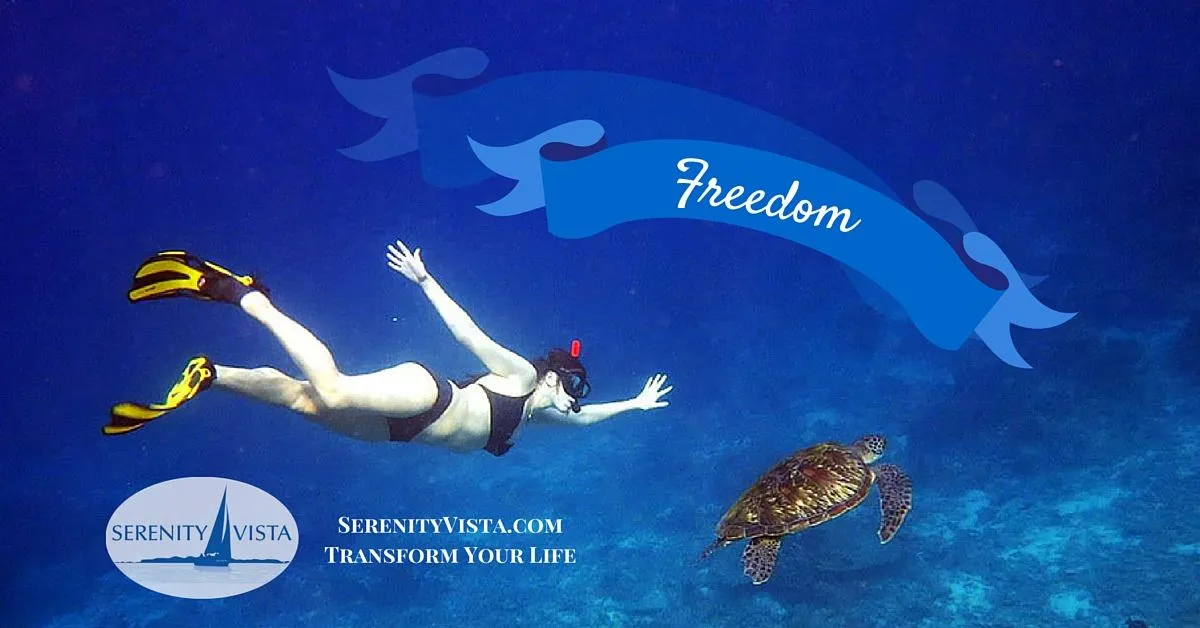
Addiction is often an attempt to control how we feel. Alcohol, drugs, or other addictive behaviors can seem to offer a way to change uncomfortable emotions, escape distress, or create a desired state of mind. But as addiction takes hold, the attempt to control feelings can become a cycle in which the substance or behavior increasingly controls the person. Recovery offers a different possibility: freedom from the compulsion to change how we feel through addictive behavior, and the freedom to experience life as it comes and live life on life’s terms.
Control can feel reassuring. We may believe that if we can control what happens around us, how other people behave, or how we feel inside, we can keep life manageable. But much of life lies beyond our control. Other people make their own choices, circumstances change, and difficult emotions are part of being human. Trying to control all of this can become exhausting—and the more we try, the more frustrated we can become when life refuses to conform to what we want.
For someone vulnerable to addiction, the desire to control feelings can become particularly problematic. Alcohol, drugs, or another addictive behavior may seem to provide a reliable way to change an unwanted emotional state. But using something outside ourselves to create an internal feeling of comfort, relief, confidence, or escape is itself an attempt at control. What begins as a perceived solution can eventually become a source of even greater loss of control.
Once addiction becomes established, attempts to control it can become part of the struggle. A person may decide to cut back, use only at certain times, avoid certain situations, or make promises to themselves or others about how much they will use. They may genuinely intend to follow those limits. Yet cravings, habits, emotional triggers, physical dependence, and the growing importance of the substance or behavior can make those intentions increasingly difficult to maintain. The repeated experience of deciding to control the addiction and then finding that it controls the decision can be deeply discouraging.
The cycle can extend beyond the substance itself. People may begin trying to control who knows about their addiction, how consequences are handled, or what happens around them so they can continue using without confronting the full impact of their behavior. The more energy that goes into controlling the addiction and its consequences, the more central the addiction can become to everyday life. Freedom begins when the need to manage life around the addiction can give way to genuine recovery.
Addiction rarely affects only the person who is using. Over time, family members and partners can become deeply involved in trying to manage the addiction and its consequences. They may make excuses, cover up problems, take over responsibilities, set rules, make threats, or repeatedly try to control what the addicted person does. These behaviors can develop out of love, fear, frustration, or a genuine desire to help, but they can also create patterns that keep everyone trapped in the cycle.
This is where codependency and control can become intertwined with addiction. In some relationships, the codependent person's sense of identity, security, or purpose can become connected to the addicted person's behavior. As a result, attempts to change the situation can sometimes lead to resistance or even sabotage of recovery efforts—whether consciously or unconsciously. The relationship can become organized around managing the addiction rather than allowing each person to take responsibility for their own life. Breaking that cycle is part of the freedom that recovery can make possible.
An external locus of control is the belief that the circumstances around us largely determine what happens in our lives and how we feel. When this way of thinking becomes entrenched, it can be easy to believe that happiness, peace, or contentment will come once other people change, circumstances improve, or life finally goes the way we want it to. We may spend enormous energy trying to control people, places, and things in the hope that they will give us the feelings we are seeking.
But external circumstances cannot ultimately be controlled. Other people have their own choices, life will inevitably bring disappointment and uncertainty, and even favorable circumstances do not guarantee that we will feel the way we want to feel. When attempts to control the outside world repeatedly fail, someone caught in addiction may return to the substance or behavior that has seemed to provide a more immediate way of changing how they feel. Recovery offers a different path: learning that we do not have to control people, places, things, or our feelings in order to live a fulfilling life.
Freedom in recovery does not mean being able to control everything in your life. In fact, it can mean letting go of that struggle altogether. It means becoming free from the compulsion to use alcohol, drugs, or another addictive behavior to change the way you feel. Instead of needing something outside yourself to create or change a particular feeling, recovery creates the possibility of experiencing feelings as they come and responding to life without needing to alter it through addictive behavior.
This kind of freedom also means accepting that life will not always be comfortable or predictable. Other people will disappoint us. Circumstances will change. Difficult emotions will arise. Living life on life's terms means learning that we can experience those things without needing to control them or escape from them. We can make choices about how we respond, while accepting that we cannot dictate the people, places, and things around us.
Over time, that freedom can open the door to something much larger than simply not using. It can mean being present for relationships, discovering interests and activities that bring genuine enjoyment, pursuing meaningful goals, and appreciating ordinary moments without needing a substance or behavior to make them better. Recovery is not about learning to control life. It is about becoming free enough to live it.
Learning to live life on life's terms is an important part of what recovery can make possible. It means accepting that life will include both joy and disappointment, ease and difficulty, without needing to control every circumstance or change how we feel through alcohol, drugs, or other addictive behaviors. Rather than organizing life around avoiding discomfort or pursuing a particular emotional state, a person in recovery can begin to experience life as it actually unfolds.
At Serenity Vista, much of the work of recovery is about helping guests understand the patterns that have shaped their lives and develop healthier ways of responding to them. This can mean learning to sit with difficult emotions, recognize old patterns of thinking and behavior, take responsibility for choices, and allow other people and circumstances to be what they are. It is not about becoming passive or giving up. It is about discovering that we can respond to life with acceptance and gratitude without needing to control it.
As that understanding develops, life can become larger again. There can be room for relationships, interests, creativity, meaningful work, nature, laughter, and simple everyday pleasures. The goal is not merely to live without the physical dependence that can accompany addiction, but to become truly free to enjoy life on life's terms.
At Serenity Vista, recovery is approached as an opportunity to understand addiction more deeply and to make meaningful changes in the way a person relates to themselves, others, and life. The work goes beyond simply stopping the use of alcohol or drugs. It is about addressing the patterns that have contributed to addiction and developing the awareness and tools needed to live differently.
In a private, intimate setting in the mountains above Boquete, guests have the space to step away from the people, places, routines, and pressures that may have become part of their addiction. Treatment is individualized, allowing the work to focus on the person rather than treating addiction as a one-size-fits-all problem. The peaceful surroundings provide space for guests to reflect, do the work of recovery, and begin putting what they are learning into practice.
Ultimately, the work is about freedom. Freedom from the need to use a substance or behavior to change how you feel. Freedom from constantly trying to make life, other people, or circumstances conform to your expectations. And freedom to live life on life's terms—with gratitude, acceptance, and the ability to experience and enjoy life as it is.
Deciding to seek treatment can be a significant step, but it does not have to begin with a commitment to enter treatment. Sometimes it begins simply with a private conversation about what you are experiencing, what you are looking for, and whether Serenity Vista may be a good fit.
If you would like to explore treatment privately, you can contact Serenity Vista or submit an admission inquiry. Either is a straightforward way to begin a confidential conversation without committing to treatment.
If you have questions about treatment options or would like to talk through your situation privately, you’re always welcome to reach out. We’re here to help — confidentially and without pressure.
Get our free PDF guide on moving forward into the solution.


